Repair vs Replace Windows: A Complete 2026 Homeowner Guide
Table of Contents
Windows That Work: Making the Right Call
The repair vs replace windows decision hinges on the window’s actual condition: severe rot, distorted frames, or repeated operational failure point toward replacement, while drafts, fogged glass in sound frames, and minor decay often remain repairable. Age alone doesn’t decide the matter — the condition of the frames, glass, and operation does. For historic homes in the Denver metro area, repair is generally favored when original wood and craftsmanship remain viable, with full replacement reserved for severe structural compromise. Today’s replacement windows must meet current energy code requirements, including a U-factor of 0.30 or lower and a solar heat gain coefficient of 0.25 or lower, which matters in Colorado’s high-altitude UV conditions.
Take a good look at your windows prior to making any decisions.
Key Takeaways
- First take a critical walk around your windows without swinging a hammer or calling a contractor.
- Open the window all the way, shut the sash all the way, lock the sash, unlock the sash, open the sash back up and check for any spots that may be hanging on or sticking.
- The sill and window frame should be probed with a screwdriver or awl to make sure there is no rot underneath.
- After we inspect the frame and sill, we will move on to take a look at the actual window glass.
- Most often, foggy windows and drafts signal more significant problems with your home’s ability to prevent air and moisture from entering between the inside of your home and outside elements.
Reading Your Windows Before You Begin
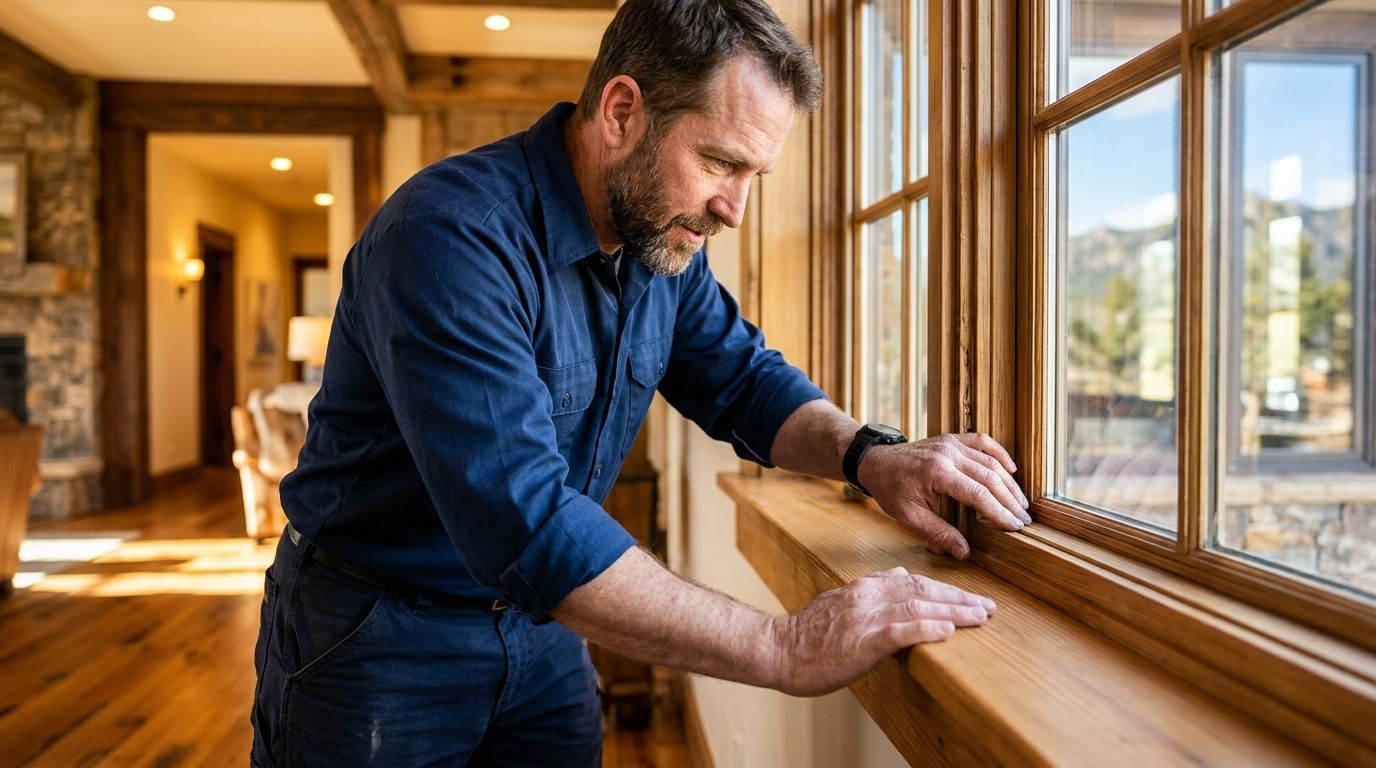
First take a critical walk around your windows without swinging a hammer or calling a contractor. That’s our advice anyway. Follow this sequence: look, feel, poke and work your window mechanism. First look out for loose paint on trim, crumbly wallboard underneath the bottom sash of double-hung windows, and diagonal cracking between corners; all these tell you more about what’s going on inside. Then run your fingers alongside the frame and sash; healthy wood should resist pressure, while soft, splintering material indicates decay. Or use an awl or screwdriver to gently probe framing members; if the tool sinks in or the wood feels spongy, you’ve found rot that demands attention. Finally, test opening/closing the window, both ways. If it sticks, the header above may be sagging, not just painted shut.
Moisture is the enemy of window longevity. A framing moisture reading above 20% means active fungal decay is likely, so test with a meter if you have one. Interior glass fogging often reflects high indoor humidity rather than a failed seal, so don’t assume the worst at first glance. If the frame and operation check out, reglazing, weatherstripping, or repainting can often extend the life of original wood windows without replacement. When in doubt, flag structural findings for a professional evaluation—this check feeds your repair vs replace windows decision and ensures you move forward with the right next step.
Step 1: Test Window Operation
Open the window all the way, shut the sash all the way, lock the sash, unlock the sash, open the sash back up and check for any spots that may be hanging on or sticking. Go through this whole routine with the window moving slowly and deliberately. When you do observe these types of issues it could mean a painted-shut track or something deeper in the frame’s structure.
If a sash jams or binds against a structural header above the window, it often signals a sagging header and deteriorating framing rather than a mere cosmetic or maintenance issue. Examine other windows within the house if you only have one that won’t open, since it may be that the window that can’t be opened isn’t the bad apple here. When poor operation coincides with visible decay or frame distortion, it strengthens the case for replacement over repair.
This test establishes the groundwork for the physical inspection that follows.
Step 2: Probe Frames and Sills
The sill and window frame should be probed with a screwdriver or awl to make sure there is no rot underneath. Healthy wood will resist insertion, while soft or spongy wood will sink in easily, indicating decay. Make holes all along the sill as well as along the frame checking that they have the same resistance.
Moisture content above 20% signals active fungal decay that may have compromised the framing. Look for visual cues like peeling paint, dark water stains, or black mold spots on the sill; these suggest rot has reached the framing and requires professional evaluation. If the sill is soft but the surrounding framing remains sound, epoxy consolidants and fillers can often restore it without full replacement, offering a cost-effective repair path.
The probing technique allows us to quickly confirm whether small problems at the surface are masking deeper structural damage that needs immediate attention.
Step 3: Check for Foggy Glass
After we inspect the frame and sill, we will move on to take a look at the actual window glass. We need to carefully check if there’s any persistent foggy stuff, tiny water drops or white streaks that can’t be wiped off by using anything, all this means the seal has broken down inside the insulated glass unit.
If the cloudiness appears only on the interior surface and wipes away, it’s usually indoor humidity rather than a broken seal, so test that first before assuming the glass has failed. When the frame remains sound, we can often replace just the fogged insulated glass unit rather than the entire window, restoring clarity and performance without a full replacement.
When there’s moisture on our windows, we suggest writing down where they’re located, as well as how much. We then talk about what kind of repair you should have performed on them. That way, if there was foggy glass in Centennial, we’ll know if you need just de-fogging or if a new glass unit would be better.
Step 4: Trace Air and Water Leaks
Most often, foggy windows and drafts signal more significant problems with your home’s ability to prevent air and moisture from entering between the inside of your home and outside elements. Homeowners should try this easy-to-follow diagnostic routine to determine where such leaks originate.
On a windy day, start by looking for air leaks around windows. Run a dollar bill or smoke pencil slowly along each window’s sash perimeter and weatherstripping. Drafty areas can be identified where the paper or smoke are disturbed. When inspecting a home’s windows for water infiltration problems, check the sill first. Missing or short drip caps allow water to pool, while a flat or back-sloped sill traps moisture against the frame. Inside the home look for any stain or wet area which can indicate water seeping through the side frame, not necessarily the sill. Record all the places where you see leaks because this map shows where future repairs might be needed.
Step 5: Compare Repair and Replacement Costs
Once you’ve confirmed a failed window seal in Step 4, the repair vs. replace windows decision hinges on balancing upfront costs with long-term performance. Published ranges help you plan, but a site-specific written quote is essential because frame condition and window count shift the math.
| Option | Typical Cost per Pane | Expected Lifespan | Restores Thermal Efficiency? |
|---|---|---|---|
| Defogging | $75–$150 | 1–3 years | No |
| IGU glass replacement | $150–$400 | 10–20 years | Yes |
| Full window replacement | Custom quote | 20+ years | Yes |
While defogging may clear up trapped water vapors without touching the damaged gas fill or seal, this process won’t make your window any better thermally. Replacing the entire IGU will return to manufacturer-specified low-e films that help prevent energy leaks from 30%-50%. In general, when three or more windows show seal failure, bulk replacement typically saves 10–15% compared with piecemeal repairs, making it the most economical long-term choice.
Step 6: Choose the Right Installation Method
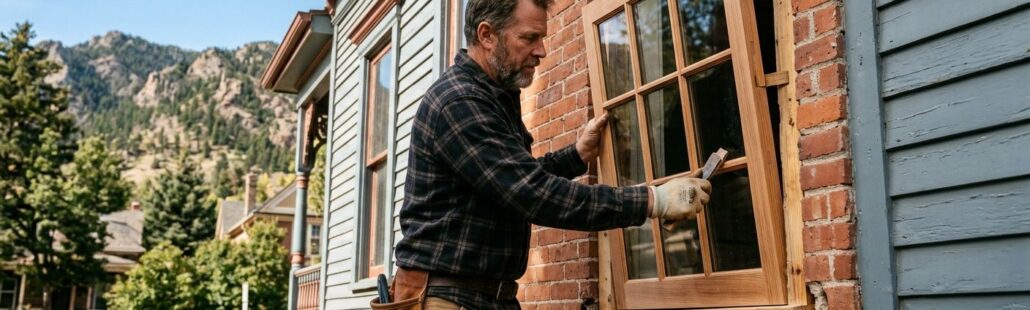
Once you decide how much all this stuff will cost, that choice affects everything else on your to-do list: should we replace the old window, pulling out everything and starting from scratch with just the shell or the hole left by the old window, or just put a new window inside the existing window. If we’re doing full-frame replacement, then we can get to the back of the old window and see if there’s any rot, add spray foam to fill any spaces behind the window, and seal up all the gaps around the windowsill for improved energy efficiency. For pocket install, you fit a new window into a sound frame, preserving the exterior trim and finishing the job faster with less disruption.
| Factor | Full-Frame Replacement | Pocket Installation |
|---|---|---|
| What gets removed | Entire window unit down to the rough opening | Nothing — new window fits inside the existing frame |
Sometimes only a failed insulated-glass unit causes fogging problems when frames are otherwise solid. The choice ultimately hinges on frame condition: severe rot or distortion calls for full-frame work, while sound frames allow pocket installs that meet your goals with less time and expense. If the framework isn’t deformed or rotted, we can often replace just the glass without disturbing the frame at all.
Step 7: Build Your Decision Matrix
After you have picked your approach for working out a window problem, this final action can be scoring your diagnosis as your final call. Score each window on the matrix that has been laid before you then pick in which way to go forward with your problem solving process. This will make certain you have a repair vs replace windows choice without letting emotions get involved. Score each window against the matrix
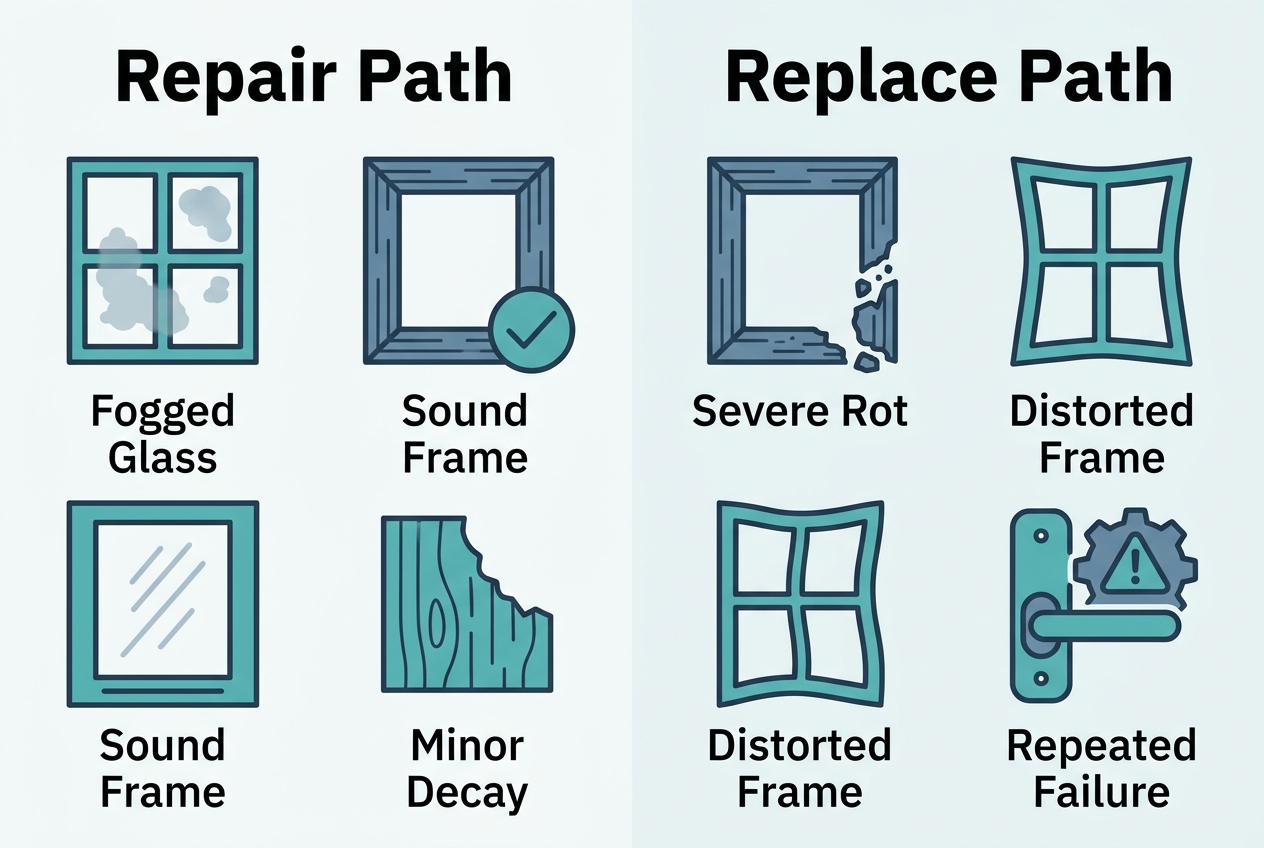
| What You Find | Best Move |
|---|---|
| Fogged glass in a sound frame | Replace the insulated glass unit individually |
| Wipeable interior condensation | Check indoor humidity before any window work |
| Severely rotted or distorted frame | Full window replacement |
| Three or more failed windows | Bulk replacement (saves 10–15%) |
| Minor decay or draft in an otherwise sound window | Reglaize, weatherstrip, and repaint |
A good choice isn’t always simple to implement, though it can have problems like a stuck sash, so take the grid into your hands before you start the job.
Troubleshooting Stuck Sashes
While windows can sometimes be stuck due to damage to their hardware, they’re more often than not a sign that there may be problems elsewhere in the structure, such as a sagging header over the top or rotting window frames. If you have an old house in Centennial, there might be other, simpler solutions to the problem before you assume you need to call for repairs.
Check if there is any sealant on the edges of the sash, blocking its movement into the channel, or any dirt that may have collected inside the frame’s grooves. If this doesn’t work, start probing around the edges with a large-bladed awl or a flat-head screwdriver. Any wood that gives slightly, appears to be spongy, or yields under light pressure could be damaged by water. A moisture level higher than 20 per cent is an indication of decayed timber, which means we cannot just replace the exterior trim.
When decay is present, the repair-vs-replace question shifts from routine maintenance to structural restoration. Minor rot confined to the sill can sometimes be stabilized with epoxy consolidants, but if the framing has lost integrity or the header is deflecting, professional intervention is required. Our team can assess the full scope of damage and recommend targeted repairs that preserve your window’s function without compromising safety.
If you probe with an awl or screwdriver, you can reliably distinguish superficial damage from deep structural rot. If the probe penetrates deeply or the wood feels spongy, the rot has likely compromised the framing members, requiring immediate attention to prevent further deterioration.
Frequently Asked Questions
How can I tell if my windows need a simple repair or a full replacement?
The repair vs replace decision depends on the window’s condition: severe rot, distorted frames, or repeated operational failure point toward replacement, while drafts, fogged glass in sound frames, and minor decay often remain repairable. Age alone does not determine the need; the condition of the frames, glass, and operation does.
What are the most common signs that indicate window replacement is necessary?
Common signs that indicate window replacement is necessary include severely rotted or distorted frames, repeated operational failure, and structural issues like sagging headers. These problems typically require full replacement to restore safety and functionality.
Can fixing a foggy window seal be done with a repair or does it require replacement?
Fixing a foggy window seal can often be done with a repair if the frame remains sound. Replacing the insulated glass unit (IGU) restores thermal efficiency without requiring a full window replacement when the frame is intact.
When does it make more financial sense to replace windows rather than continue repairing them?
It makes more financial sense to replace windows when three or more windows show seal failure, as bulk replacement typically saves 10–15% compared with piecemeal repairs. Defogging may clear trapped moisture but does not restore thermal efficiency, making it a short-term solution.
Does my window frame’s condition determine whether I should repair or replace the unit?
Yes, the window frame’s condition determines whether to repair or replace the unit. Severe rot or distortion in the frame requires full replacement, while sound frames allow for repairs such as reglazing, weatherstripping, or replacing the IGU.
Windows That Work: Your Next Steps
The repair vs. replace windows decision comes down to preserving original fabric when it’s still viable and opting for full replacement only when deterioration is severe. The second key decision is whether to choose full-frame or pocket installation, each with distinct advantages depending on your home’s condition and goals.
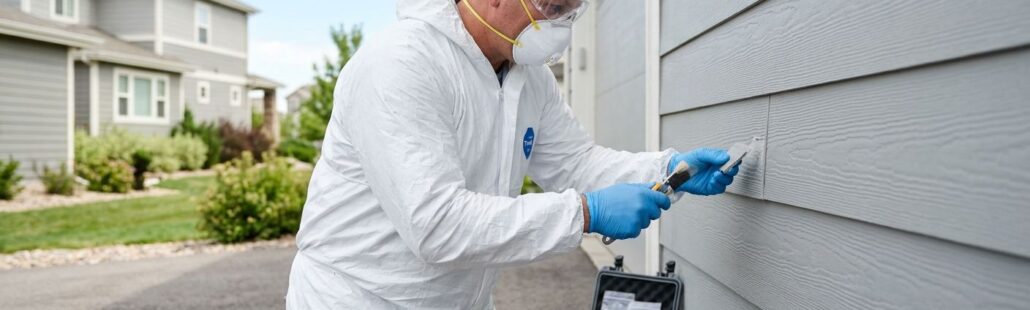
Colorado homes that were constructed prior to 1978 must have a professional lead paint assessment before any frame work begins. New windows need to comply with present energy efficiency codes – U-factor ≤0.30, SHGC ≤0.25, as Colorado’s high altitude has higher levels of UV radiation compared to sea-level areas.
The estimates in this document are initial estimates and may be adjusted once we have completed our site visitation and review of the project as a whole. Project outcome and timelines will differ based on site conditions, permits and availability of materials. Please consult a licensed contractor for definitive advice and verify licensure with the Colorado Department of Regulatory Agencies (DORA).
Want to find out more? Get in touch with ACN Construction to receive your unique pricing package, and make progress towards windows designed just for you.
Get Your Window Assessment Today
You’ve now walked through the full repair vs. replace windows process, from testing sash operation and probing frames to comparing full-frame and pocket installation methods. Your decision matrix should point clearly toward either restoring your original window fabric or scheduling replacement for deteriorated units. Reading what your windows are telling you is only half the journey — the other half is confirming those findings with a professional site inspection. Our team at ACN Construction serves homeowners throughout the Denver metro area and in Centennial, Colorado, guiding you through lead-paint considerations for pre-1978 homes and current energy code expectations. Every project starts with a written estimate shaped by your home’s actual conditions, so the numbers reflect your situation rather than generic ranges. You can reach us by phone at +1 720 277 6568, by email at acn-info@acn.construction, or by visiting our office at 7388 S Revere Pkwy, Unit 904, Centennial, CO 80112, Monday through Friday from 8:00am to 7:00pm. Request your custom quote and take the confident next step toward windows that work.