High-Altitude UV Ray Protection: Low-E Glass Guide for Colorado
Table of Contents
- Understanding UV Radiation at Colorado's Altitude
- Why High-Altitude UV Ray Protection Matters for Colorado Homes
- How Low-E Glass Coatings Block Ultraviolet Radiation and Prevent Fading
- Low-E Glass Benefits: Combining UV Protection and Thermal Performance for Colorado Homes
- Choosing UV-Protective Windows for Your Colorado Home
- Maintaining Long-Term UV Protection from Your Windows
- Enhancing Your Colorado Home's Protection with Professional Window Solutions
Understanding UV Radiation at Colorado’s Altitude
For homeowners seeking reliable high-altitude UV ray protection in Colorado, understanding how elevation amplifies ultraviolet radiation is essential. UV intensity increases roughly 4–5% with every 1,000 feet of elevation gain, meaning Colorado’s average altitude of over 6,800 feet subjects building exteriors to notably higher UV loads than those at sea level. This amplified exposure can accelerate the deterioration of common materials such as asphalt shingles, wood siding, and exterior sealants, shortening their service life. As we work on homes throughout Centennial and the Denver metro area, we see firsthand how these intense UV conditions challenge exterior durability. Recognizing this elevated risk allows us to make informed decisions about material selection and maintenance schedules. This heightened exposure makes specialized protection for Colorado homes not just beneficial but essential, a reality we address next.
Why High-Altitude UV Ray Protection Matters for Colorado Homes
At Colorado’s average elevation—with communities like Centennial sitting well above the mile-high mark—the atmosphere is noticeably thinner than at sea level. This means less air mass filters incoming ultraviolet radiation, allowing notably more UV rays to reach our windows and the interiors they shield. We see firsthand how this intensified exposure translates into a year-round concern for every home, regardless of the season or outside temperature.
Daytime sunlight is abundant across the Front Range, and the winter months bring especially sharp solar angles that can drive direct UV penetration deep into living spaces. In Centennial and across the Front Range, high annual sunshine totals compound altitude effects, keeping UV exposure elevated even on cold, clear days. That cumulative load significantly accelerates fading of textiles, wood finishes, and artwork indoors. Soft goods such as upholstery and area rugs, hardwood flooring, artwork, and even cabinetry surfaces gradually absorb that energy, and the result is accelerated fading and material breakdown. It is a cumulative process that doesn’t pause when the thermostat drops—the damage continues every clear day, often unnoticed until replacement becomes unavoidable.
Because Colorado homes remain under near-constant UV assault, protection cannot be a temporary, seasonal fix. What the home needs is a permanent barrier built into the glass itself—a solution that performs automatically no matter the weather or window position. A high-performance low-e glass coating is engineered to reflect a substantial share of ultraviolet rays while preserving natural daylight and outward views, creating a line of defense that works invisibly around the clock. When we understand how these coatings intercept UV before it ever reaches interior surfaces, the value they offer at altitude becomes unmistakable.
To protect your Centennial home from the cumulative effects of high-altitude sun, reach out to ACN Construction and request a quote today.
How Low-E Glass Coatings Block Ultraviolet Radiation and Prevent Fading
Homes in Centennial, Colorado are located at a high altitude and are therefore exposed to increased levels of solar radiation. This creates a need for UV protection for homes. Low-E glass windows use a microscopically thin metallic coating to convert ordinary glass into a selective barrier. This coating is targeted to the UV region, specifically UV-A and the small amount of UV-B that reaches our interiors, and filters out the wavelengths that cause gradual deterioration of items such as artwork, textiles and flooring.
A metallic oxide layer, permanently bonded to the glass, gives Low-E coatings their properties. It reflects and absorbs a large portion of the UV rays, allowing visible light to pass through. Because the coating is permanently fused to the glass, the protection is lifelong. Without this protection, the upholstery, area rugs and other flooring in Centennial homes can rapidly fade and discolor in just a few years.
Passive, or high-solar-gain, coatings are applied to the interior glass surface and reflect heat back into the room in winter while blocking UV. Spectrally selective coatings are applied to outer or multiple surfaces and filter UV and infrared rays without reducing natural light. For Colorado homeowners who prioritize fading prevention, the spectrally selective approach offers stronger UV rejection and clearer daylight views.
The degree to which a coating blocks UV rays is quantified by transmittance. A coating is excellent if its UV transmittance is 0.30 or less, moderate if its UV transmittance is between 0.30 and 0.70, and poor if its UV transmittance is greater than 0.70. For Centennial homes, even a moderate rating can slow the sun’s impact on upholstery and flooring, while an excellent rating provides the thorough defense needed against high-altitude UV.
Existing windows without low-E glass cannot gain permanent UV protection without full window replacement. Aftermarket films offer some relief but can degrade and lack the clarity of factory-applied coatings. Specifying low-E windows when planning a new build or a remodel integrates this protective layer seamlessly. Crucially, the same metallic coating also reflects infrared heat, linking fading prevention to thermal performance , a dual benefit we’ll examine next.
Low-E Glass Benefits: Combining UV Protection and Thermal Performance for Colorado Homes
Low-E glass benefits Colorado homeowners by addressing two persistent challenges created by high-altitude living: aggressive ultraviolet radiation and sharp temperature swings that demand year-round climate control. When a local design-build team evaluates existing window performance during a whole-home remodel, understanding how the coating performs in both roles helps homeowners see why the upgrade reduces long-term operating costs while protecting interiors.
Ultraviolet radiation at Colorado elevations is significantly more intense than at sea level, and it is the primary cause of fading in wood flooring, upholstery, artwork, and window treatments. The low-E coating intercepts the majority of that UV spectrum before it passes through the glass, so furnishings that receive direct afternoon sun retain their color years longer. At the same time, the coating reflects a large portion of the sun’s infrared heat, which keeps south- and west-facing rooms noticeably cooler during summer without forcing the air-conditioning system to work harder. That reduction in solar heat gain matters in a state where temperatures can climb into the nineties yet drop sharply after sunset, because the home stays comfortable through both extremes without constant thermostat adjustments.
The coating allows short-wave solar energy to enter and warm interior spaces on bright, cold days—common along the Front Range—while reflecting long-wave radiant heat from the furnace back into the room instead of letting it escape through the glass. The result is fewer cold drafts near windows and lower heating demand even when overnight temperatures fall well below freezing. Because Colorado’s heating season can stretch from October into May at higher elevations, a window that retains interior warmth while still admitting free solar gain delivers measurable energy savings over the life of the home.
Combining UV protection and thermal performance in a single glazing product transforms windows from a weak point in the building envelope into an active contributor to comfort and efficiency. Homeowners who plan a remodeling or window replacement project can work with a partner offering design build services to evaluate glass packages, frame materials, and orientation so the selected low-E coating matches the specific exposure of each elevation.
That integrated approach ensures the home benefits from glare reduction, fade prevention, and consistent indoor temperatures.
Choosing UV-Protective Windows for Your Colorado Home
Colorado’s high elevation and over 300 days of annual sunshine make high-altitude UV ray protection a primary consideration when upgrading windows. The combination of thinner atmosphere and intense sunlight creates ultraviolet exposure that standard glass cannot effectively filter, accelerating interior damage and reducing energy efficiency.
When evaluating window performance, look for advanced low-E (low-emissivity) coatings that reflect UV and infrared light while allowing visible light to pass. Related metrics include the U-Factor, which measures how well a window prevents heat from escaping, and the Solar Heat Gain Coefficient (SHGC). In Colorado’s climate, choosing a window with a moderate SHGC helps control passive solar gain during hot summers while still admitting useful warmth in winter. A lower U-Factor is desirable for colder months.
When looking at the frames, fiberglass combines strength with low expansion rates during temperature swings; wood frames offer natural insulation and a classic look; vinyl frames resist thermal transfer and require little maintenance. Each can be combined with protective UV glazing to create a thermal barrier.
With UV-blocking windows, art and other items that are usually exposed to UV radiation are protected, and interiors retain their color and material integrity far longer than with conventional glass. This also decreases the need for replacement.
Clearness is preserved with the newer low-E coatings. Low-E coatings also reduce glare and create an evenly lit room.
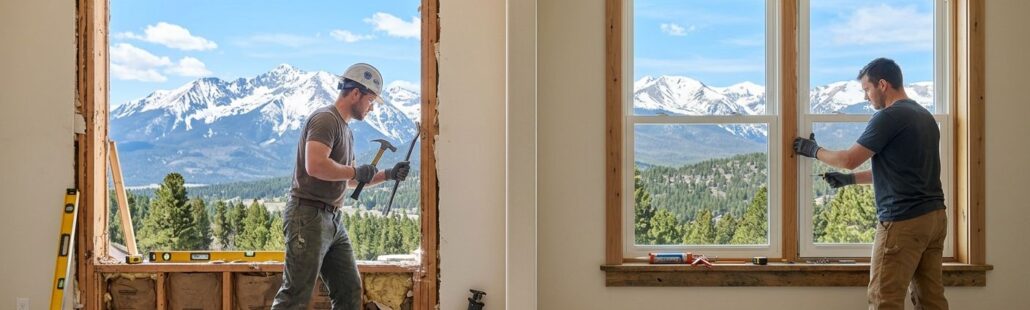
Professional installation and expert guidance are essential to realize these benefits fully. At ACN Construction, we help Colorado homeowners evaluate window packages with regards to their home’s orientation, elevation and architectural style. We start with a thorough assessment and explain how each rating relates to real-world performance. With this knowledge, we are able to produce installations that seal every opening.
In order to choose the right UV-protective window, review SHGC and U-Factor on the window label, confirm the presence of low-E coatings suited for high-exposure climates, consider your frame material based on durability and appearance, and consult with a window professional who understands Colorado’s unique environmental demands.
Maintaining Long-Term UV Protection from Your Windows
Selecting windows with built-in UV protection or applying aftermarket films is an important initial step, but it’s only the beginning. In Colorado, where high-altitude sunlight bombards glass surfaces with intense ultraviolet radiation throughout the year, protective layers wear out faster than they would at lower elevations. To keep your windows performing well over the long term, regular maintenance is essential. Without it, coatings can degrade, films may peel, and seals can fail — all of which allow harmful UV rays to enter your home and fade furnishings.
For routine care, we recommend using only soft, lint-free cloths and gentle, non-abrasive cleaning solutions. Harsh chemicals or scrub pads can scratch low-E coatings and aftermarket UV films, compromising their effectiveness. Spring and fall are ideal times to inspect window seals and weatherstripping; the freeze-thaw cycles common in the Denver metro area can stress those seals, creating gaps that let UV rays bypass your window’s protective layers altogether. A quick visual check each season can catch minor damage before it turns into a larger problem.
Beyond your own upkeep, a professional evaluation every two to three years can provide valuable insight. South- and west-facing windows endure the most sun exposure in Colorado and often show the earliest signs of deterioration. During an inspection, a trained technician can assess film adhesion, check for bubbling or discoloration, and verify that glass coatings are still intact. Most window films have a typical lifespan of 10 to 15 years; when you notice peeling, significant scratching, or a milky appearance, it’s time to consider replacement. Staying ahead of that timeline helps prevent gaps in UV protection.
Should your windows begin to let in more UV light or if the film has clearly passed its useful life, turning to an experienced local contractor can make the upgrade process straightforward. Our team in Centennial regularly helps homeowners assess aging window treatments and choose durable solutions that stand up to Colorado’s unique climate, ensuring your interior stays protected for years to come.
Enhancing Your Colorado Home’s Protection with Professional Window Solutions
Colorado’s weather conditions demand more of windows than framing a view. High-altitude UV rays and extremes in temperature can cause fading and strain the HVAC system. Professionally installed, energy-efficient windows shield interiors from UV fading, reduce strain on your home’s heating and cooling, and create a durable barrier against Centennial-area weather. We protect your home against Colorado weather with a design-build process. Our expert installation follows a design-build process that provides a single point of accountability from initial consultation through final walk-through, and we handle permitting, precise measurements, and weather-tight sealing so your windows perform season after season. Our integrated process helps ease your mind. That integrated approach is at the heart of wellness sanctuary home remodeling: when every element of your home works together to protect and comfort your family, your living space becomes a true haven. Enjoy peace of mind by comfortably strengthening the defenses of your home with our team. Contact us at (720) 277-6568 for a consultation.
Schedule Your Window Consultation
Now that you have learned how low-E glass coatings block ultraviolet radiation and prevent fading in Colorado homes, take the next step toward comprehensive protection. Our design-build team integrates advanced window solutions into a complete wellness sanctuary home remodeling. With single-point accountability, we ensure every detail contributes to your home’s comfort and UV defense. High-altitude UV ray protection is a permanent investment, not a seasonal fix, and professional guidance makes all the difference. Reach out to us in Centennial, Colorado, at (720) 277-6568 to discuss your project. We provide personalized recommendations that align with your home’s unique exposure and aesthetic. Discover the peace of mind that comes from expertly installed, UV-blocking windows.