Is Cement Fiber Siding Asbestos? The Complete Safety Guide
Table of Contents
Siding Material Safety: What Homeowners Need to Know
If you ask whether cement fiber siding is asbestos, modern cement fiber siding does not contain asbestos. Legacy asbestos-cement siding and contemporary fiber-cement products share a similar fiber-reinforced composition, and their profiles can look nearly identical. ArchitectureCourses.org’s educational comparison notes that visual inspection alone cannot tell them apart, which is why we always recommend professional testing before disturbing an older exterior. Where the old material can release dangerous asbestos fibers when it breaks, today’s fiber-cement uses cellulose reinforcement and presents a different respiratory hazard: respirable crystalline silica dust generated during power cutting. Understanding that modern cement fiber siding is free of asbestos is an important first step, but knowing how to work with it safely is equally essential.
Key Takeaways
- Homeowners looking for more information should know that modern cement fiber siding does not contain asbestos, a critical clarification for homeowners concerned about the asbestos status of today’s exterior materials.
- The modern cement fiber siding does not include any asbestos, though there is likely still some around town in older houses that has been left untouched.
- Although age may play a part, as far as asbestos is concerned, your eyesight will not enable you to determine whether what’s visible at home is actually asbestos or modern fiber cement.
- Homeowners ask whether cement fiber siding is asbestos, but the answer depends on the age and composition of the material.
- Asbestos cement siding is classified as a Category II nonfriable material under U.S.
1. Modern Cement Fiber Siding Contains No Asbestos
Homeowners looking for more information should know that modern cement fiber siding does not contain asbestos, a critical clarification for homeowners concerned about the asbestos status of today’s exterior materials. This is good news if you’re concerned about what this means regarding your home’s exterior material. The confusion is due to the fact that asbestos cement siding and cement fiber siding were made from similar materials. While the older types included asbestos fibers to add strength to the product, newer cement fiber siding is constructed using cellulose instead, which renders any potential asbestos problems nonexistent.
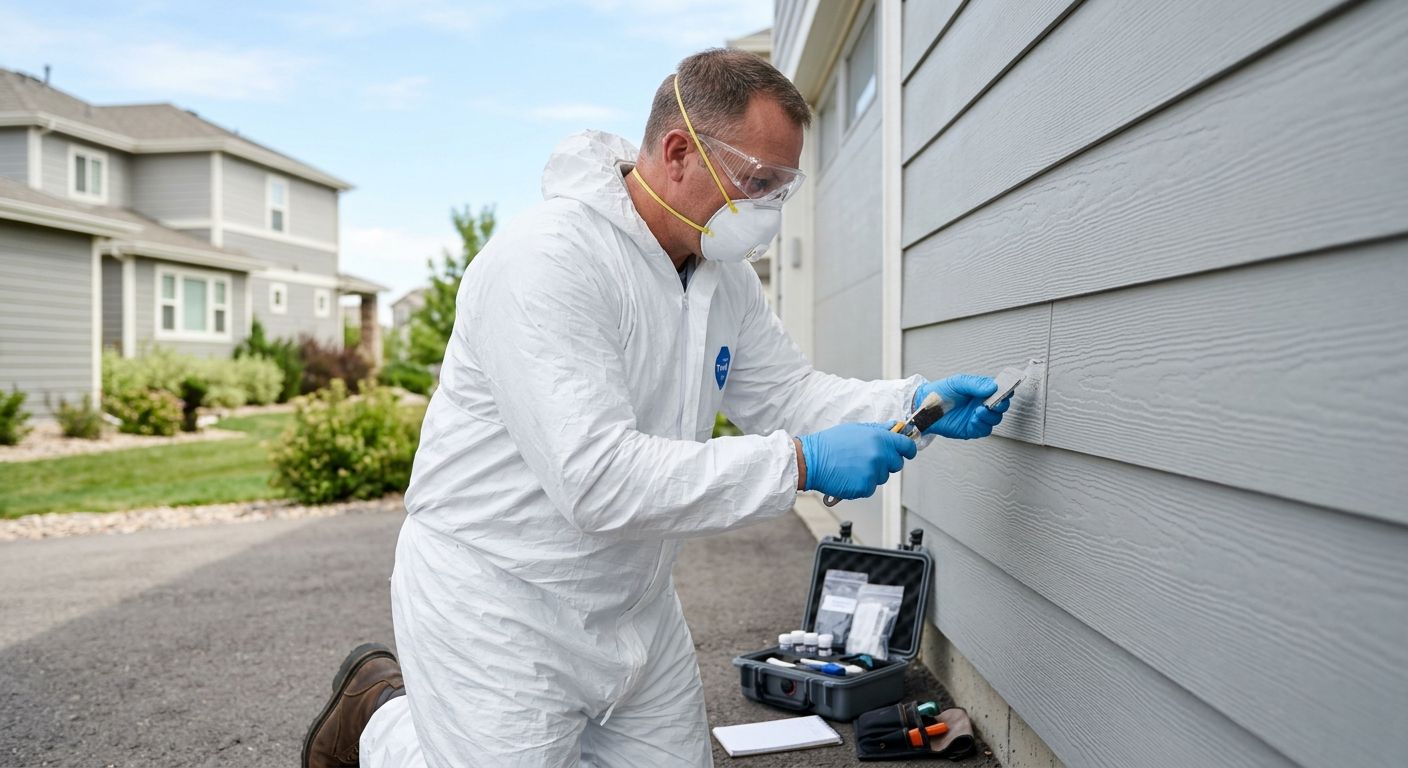
According to ArchitectureCourses.org, the two materials can appear nearly identical in profile, making visual inspection insufficient for identifying asbestos. Laboratory testing remains the only reliable way to determine whether existing siding contains asbestos. Although modern fiber cement is asbestos-free, proper safety precautions are still essential—cutting this material with power tools generates respirable crystalline silica dust, which requires effective dust-control measures during installation.
Once the asbestos-free nature of modern fiber cement is confirmed, the focus can shift toward understanding the life expectancy of actual asbestos siding and recognizing when replacement becomes the safer choice.
2. Asbestos Siding Longevity and When to Replace
The modern cement fiber siding does not include any asbestos, though there is likely still some around town in older houses that has been left untouched. Asbestos cement siding can remain durable for decades when maintained properly. Homeowners often ask "is cement fiber siding asbestos?" The answer is no, but older siding may contain the mineral and requires careful assessment.
Federal NESHAP regulations classify asbestos cement siding as Category II nonfriable material, meaning it is not easily crumbled when dry but can become hazardous if damaged. When more than 160 square feet of such siding is disturbed during renovation or demolition, specific removal procedures are required. Only trained professionals should collect samples; homeowners risk releasing hazardous fibers. Visual inspection cannot confirm asbestos content, because legacy and modern fiber cement siding look nearly identical. Modern fiber cement siding contains crystalline silica, which poses respiratory hazards when cut with power tools, underscoring the need for professional handling.
If you are a homeowner in Centennial planning exterior work, we recommend consulting accredited professionals for testing to ensure compliance with federal regulations.
3. Visual Similarities Require Professional Testing
Although age may play a part, as far as asbestos is concerned, your eyesight will not enable you to determine whether what’s visible at home is actually asbestos or modern fiber cement. asbestos and fiber-cement siding share similar looks, making their external traits and colors seem almost the same, so looking won’t help. While these two kinds of siding are composed differently, there are some differences between them: older asbestos-cement siding features asbestos fibers, whereas modern fiber cement does not use such fibers but instead utilizes cellulose. There’s really just one way for you to ascertain which type your home siding belongs to, and this would be if you get your piece of siding analyzed in a lab. So never attempt to remove pieces of older siding from your house until they’ve been professionally analyzed; the removal could release toxic fibers into the air, endangering everyone exposed. As you might think, fiber-cement siding is not without its hazards: cutting it with power tools can generate respirable crystalline silica dust, a known health hazard that requires engineering controls such as dust-collection systems meeting OSHA and NIOSH standards. Once professional testing confirms what your siding is made of, understanding the key material differences between asbestos and fiber cement helps guide safe handling and replacement decisions.
4. Cement Fiber Siding vs Asbestos: Material Differences
Homeowners ask whether cement fiber siding is asbestos, but the answer depends on the age and composition of the material. When evaluating cement fiber siding vs asbestos, the difference lies in the reinforcement fibers, not the visual texture. Both siding types share a Portland cement matrix and can appear nearly identical. Laboratory analysis is the only reliable identification method.
The old asbestos-cement siding had asbestos in it. The new fiber-cement replaces asbestos with cellulosic fibers, which eliminates the asbestos risk but introduces a different hazard: respirable crystalline silica. Cutting it with power equipment, like a circular saw, releases respirable crystalline silica. Therefore, this should be done only using appropriate engineering controls, such as those with a collection system that removes 99% or more of the dust.
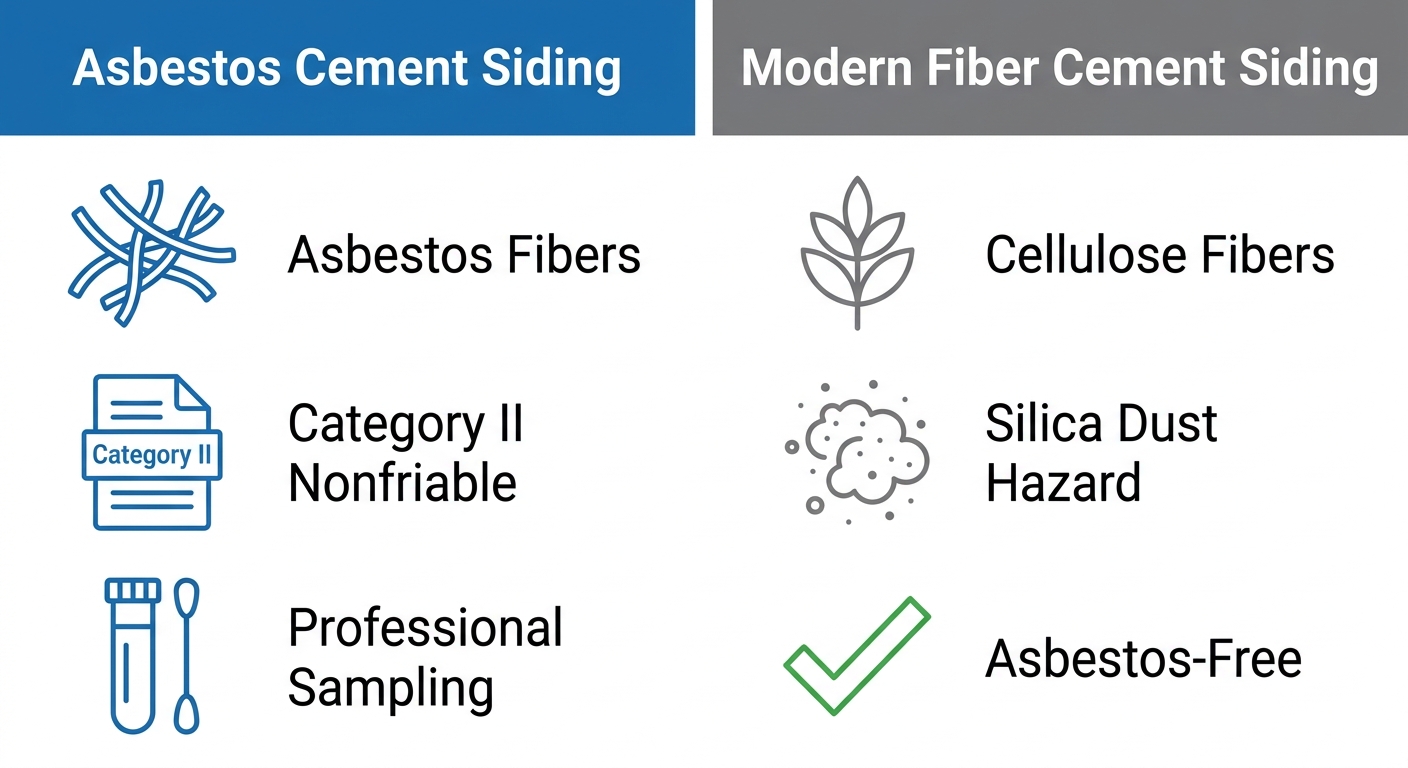
Just looking at something doesn’t always tell you if it’s safe. Material analysis can determine proper procedures for handling, abating (cleaning it up) and disposal of materials.
5. Handling Older Siding: Regulations and Safety
Asbestos cement siding is classified as a Category II nonfriable material under U.S. federal regulations. This classification, defined in 40 CFR part 61, means the material is not easily crumbled by hand pressure when dry but becomes more susceptible to releasing hazardous fibers if cut, sanded, or broken during renovation work.
If the project has more than 160 sq ft of ACM, then federal NESHAP regulations apply to the demolition and disposal process. Crossing this threshold requires notification, and it also means following very specific work practice rules. A homeowner without training cannot legally or safely meet those safety requirements.
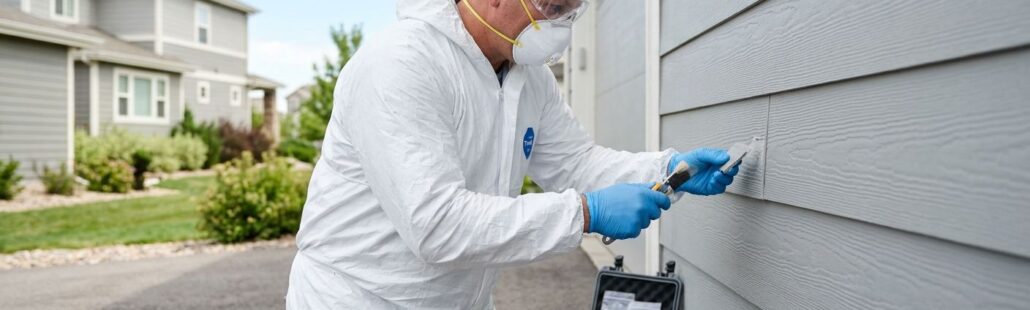
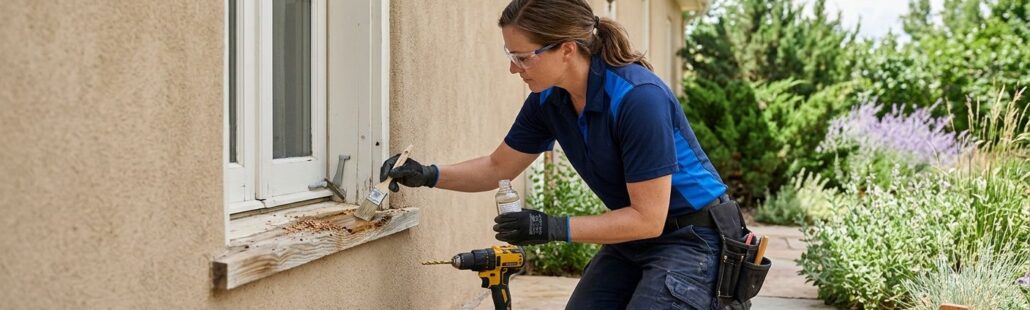
Only trained professionals should perform sampling to confirm whether siding contains asbestos, using proper wetting techniques and accredited laboratory analysis. The EPA explicitly advises against homeowner-led sampling because improper collection can release fibers that would otherwise remain contained in intact material. Because sampling and testing require specialized knowledge and careful procedures, working with an experienced local contractor is essential for anyone planning to address older siding on their home. If they’re going to deal with old exterior siding on their own house, people need to find someone familiar with asbestos removal who works near them.
6. Local Expertise for Safe Siding Replacement
Modern fiber cement siding is made out of the same cement as legacy asbestos-cement siding, although they contain vastly different types of reinforcing fibres. There’s no way to tell which kind of siding you have merely by looking at it. Fiber cement siding contains cellulose fibres instead of asbestos-based fibre cement, while cutting it with power tools releases respirable crystalline silica. To comply with OSHA and NIOSH, dust control is needed when cutting fiber cement.
The asbestos cement siding is regulated as a Category II nonfriable material under federal law. Asbestos HQ explains that if this product has more than 160 sq ft., neshap standards will come into effect, requiring professional personnel for testing purposes in order to prevent any kind of harmful fiber from escaping during the process.
This brings us up-to-date on our knowledge of the age of Centennial’s housing stock, the siding materials commonly found in the Denver metro area, and the permitting and disposal requirements specific to Arapahoe County. That way, your project will proceed without problems, complying fully with all relevant rules and laws.
Plan Your Siding Replacement with Confidence
If you’ve been asking whether cement fiber siding is asbestos, professional sampling is the only reliable way to confirm. Visual inspection cannot tell the difference. Under NESHAP, asbestos cement siding triggers removal protocols for projects over 160 square feet; fiber-cement products like Hardie Board contain crystalline silica, so cutting requires dust-collection systems and respiratory protection to meet OSHA standards. We recommend consulting a licensed contractor who understands local codes and verifying licensure with the Colorado Department of Regulatory Agencies; estimates are preliminary and subject to change after site inspection and a full scope review, and project outcomes and timelines may vary with permitting, material availability, unforeseen issues. Our team at ACN Construction guides testing, permitting, and installation and offers a lifetime warranty on eligible projects for safe, lasting results.
Plan Your Safe Siding Replacement
You now understand the key differences between asbestos cement siding and modern fiber cement, and you know that visual inspection alone can’t guarantee safety—professional testing is essential. ACN Construction in Centennial, Colorado, brings the local expertise to handle these challenges. We understand the federal NESHAP regulations and the 160-square-foot threshold that triggers strict removal requirements. Our exterior work professionals can guide you through sampling, testing, and safe siding replacement if needed. With our team, you avoid the risk of improper handling and ensure compliance with all safety standards. Contact us today to discuss your siding project and receive a personalized plan.
Plan Your Safe Siding Replacement
Resources